
About BeeCAUSE Alliance

Introduction
Develop a National organization with steady leadership and long-term goals that has political influence to the benefit of all pollinators and the beekeeping industry as a whole
The beekeeping industry has changed dramatically in the last two decades. As native pollinators continue to declined, and the need for increased agricultural productivity has skyrockets, managed bees such as honeybees, leafcutters, and bumblebees have become a requirement for food security.
As such it is time for a national organization to represent the interest of beekeepers as an industry so that we can maintain and improve our position as stewards of the pollinators.
As beekeepers we recognize we are in fact the gatekeepers of the pollinator world. It is our industry who is evaluating the effects of habitat loss, pesticides, and climate as it relates to all pollinators, not just honeybees. We see not only the long-term problems, but the day-to-day effects on bees, butterflies, and all wildlife that relies on a healthy ecosystem. To do that we must do things to ensure the longevity of the industry.
The Goal
The main goal, and what sets us apart from other groups is dedicated leadership. We quite simply over time have realized that the requirements of leading a national group, and still operating our business as commercial beekeepers is not viable or effective. The economics of the industry have grown to a status of a food security issue.
Having dedicated leadership and low turnover is the key to building long lasting partnerships and strategies. To accomplish this our structure will mirror that of current groups such as the Almond Alliance, or National Pork Board. Staffed with and Executive director, and professionals in fund raising and marketing, as well as media. We would add a major emphasis on lobbying to be a key function of the organization.
We understand that currently with ~2000 commercial beekeepers in the entirety of North American, combined with the current economics of the industry, we currently have no economic viability on the national stage. To address that we recognize the need from outside help. We feel with our positions as shepherds to the world that is all pollinators, as well as being a key for the production of over 1/3 of our nation’s food supply we are in a position that makes it reasonable to solicit outside help.
We recognize beekeepers are in a unique position of being the canary in the coal mine for the health of all pollinators by the very nature of the needs of our livestock and industry. As such while we want to stand up and work on things to improve the habitat, we have yet to do so, mainly limited by our funds and organizational ability. This is our plan to change that.
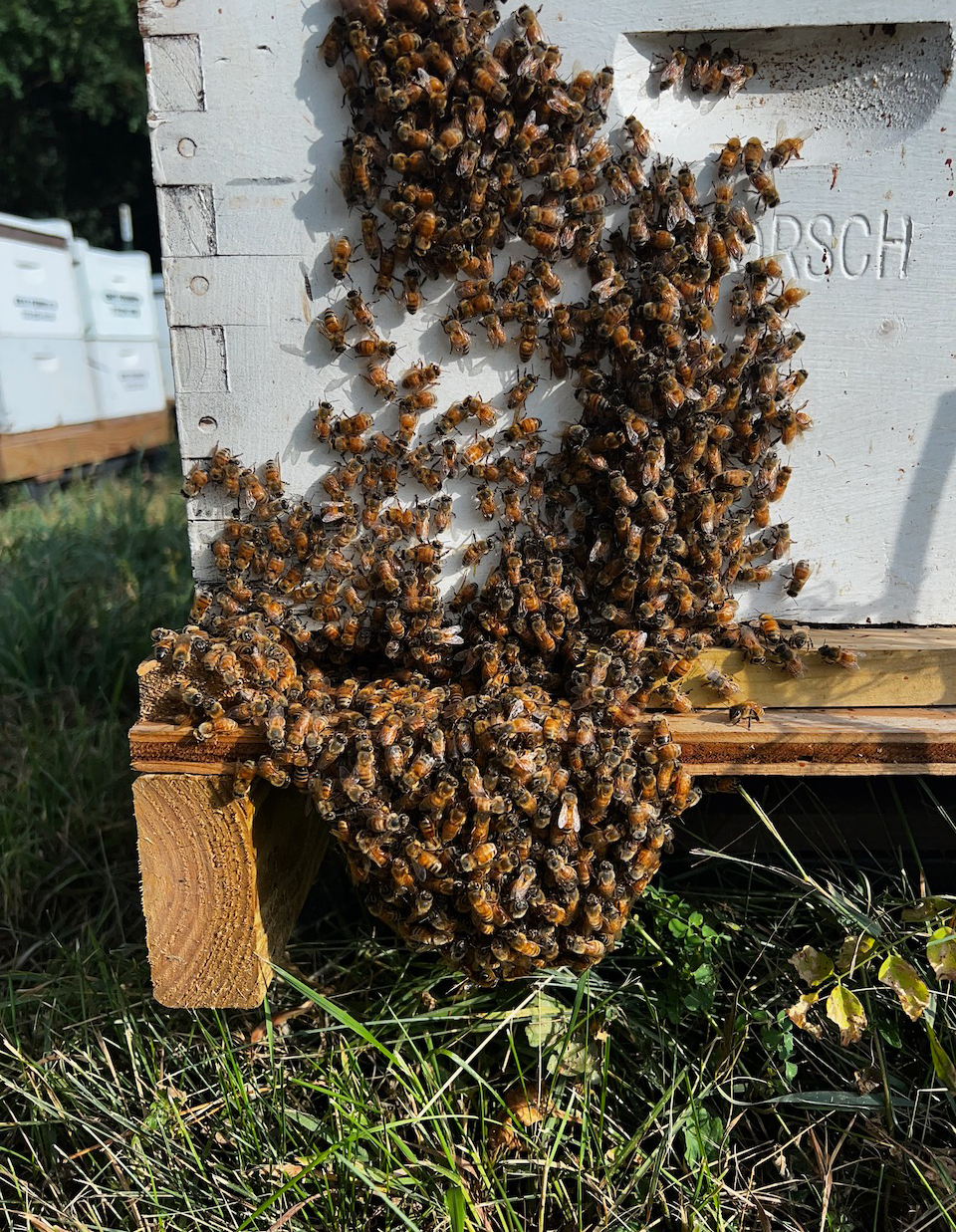
We as leaders and directors who have been involved in the other National organizations have come to realize the major shortcomings of our industry. There are key structural problems that have so far prevented us from having national influence, despite being the key to both our natural world and a 30-billion-dollar industry that is pollination. Those shortcomings are:
- Constant turnover from elections (lack of continuity)
- No dedicated professionals (day jobs pulling us away)
- Small pool of economic sources (lack of funding)
To accomplish this, we will consist of a primary board consisting of 5 Directors and an associate board of up to 10 members who will be selected for their expertise in projects. Board members will be selected by other board members based on their community involvement, knowledge, and ability to work cooperatively for the benefit of the industry.
Membership
Membership will consist of 3 groups these groups are formed to allow maximum exposure to the industry with minimal duties in monitoring membership. Members of each group may be a portion of the advisory council.
Commercial beekeepers, defined by 500 or more hives or making their primary living from apiculture. Members will be from both Canada and the US, and be eligible based on references from other members.
State and local bee clubs consisting of 25 or more members. This group will have bi-monthly (every other month) meetings to keep them apprised of progress on projects and to solicit their inputs and suggestions.
Trade and industry organizations who wish to seek strategic alliances.
Projects focused on long term issues
Initial projects will all be focused on long term issues. After many discussions we have settled on a few to start. Each will be headed up by a project leader who is passionate about the task.
- Current EPA regulations
- FIFRA and herbicide/GMO issues
- Loss of habitat
- Standards for honey
- Practical bee research
- Invasive species plans
While we have a focus on projects, to that each project will be appointed a project leader to report to the board on a regular basis. The project leader will be responsible to establish timelines, task and goals, and keep track of the progress as needed. Each leader will advise the board of the resources needed to accomplish the task.
While we focus on the task to move the industry forward, we believe it key to note what we do not intend to do as well as what we will do. To which, we will not engage in lawsuits or legal actions that will be beneficial to specific individuals, or cause harm to strategic partners such as farmers or growers. While we recognize the need for changes to pesticidal rules and other governmental regulations, our goal is to accomplish this with mutual agreements and strategic partnerships, not thru judicial activism.